HCl Price: Current regarding Sector Analysis
HCl Price: Current regarding Sector Analysis
Blog Article
The HCl price landscape is now facing notable volatility resulting from a intricate blend of influences. Worldwide distribution network disruptions, growing input expenses, particularly linked to methane – a key feedstock – are mainly driving the upward pressure. Demand remains robust across multiple industries, like metal manufacturing, chemical processing, and wastewater management. Regional disparities in pricing continue due to logistics expenses and specific market dynamics. Analysts forecast sustained cost volatility in the coming months while long-term balance will depend on addressing logistics limitations and global economic environment.
Hydrochloric Acid Price Per Ton : A Detailed Guide
Understanding the current rate of hydrochloric acid per US ton is essential for industries that require it. Numerous elements impact this value, including precursor costs , production overheads, transportation fees , and overall market climate . Generally, the cost can fluctuate significantly, from approximately $low_price_range to $high_price_range per metric ton , dependent on concentration, region, and vendor . The guide aims to explore these factors in more depth , providing insight into forecasting future HCl valuation trends .
Hydrochloric Acid Bulk Price: Factors Influencing Costs
The prevailing rate of industrial hydrochloric muriatic acid is considerably influenced by a range of elements . Input availability , particularly brine, plays a crucial role , as it’s the principal feedstock for its production . Energy costs , vital for the chlor-alkali method, substantially shape hydrochloric acid pricing . Shipping expenditures , which rely on fuel rates and infrastructure limitations, also contribute to the aggregate expense . Finally, commercial request from diverse applications like steel manufacturing and edible treatment can Hydrochloric Acid Distributor generate rate changes.
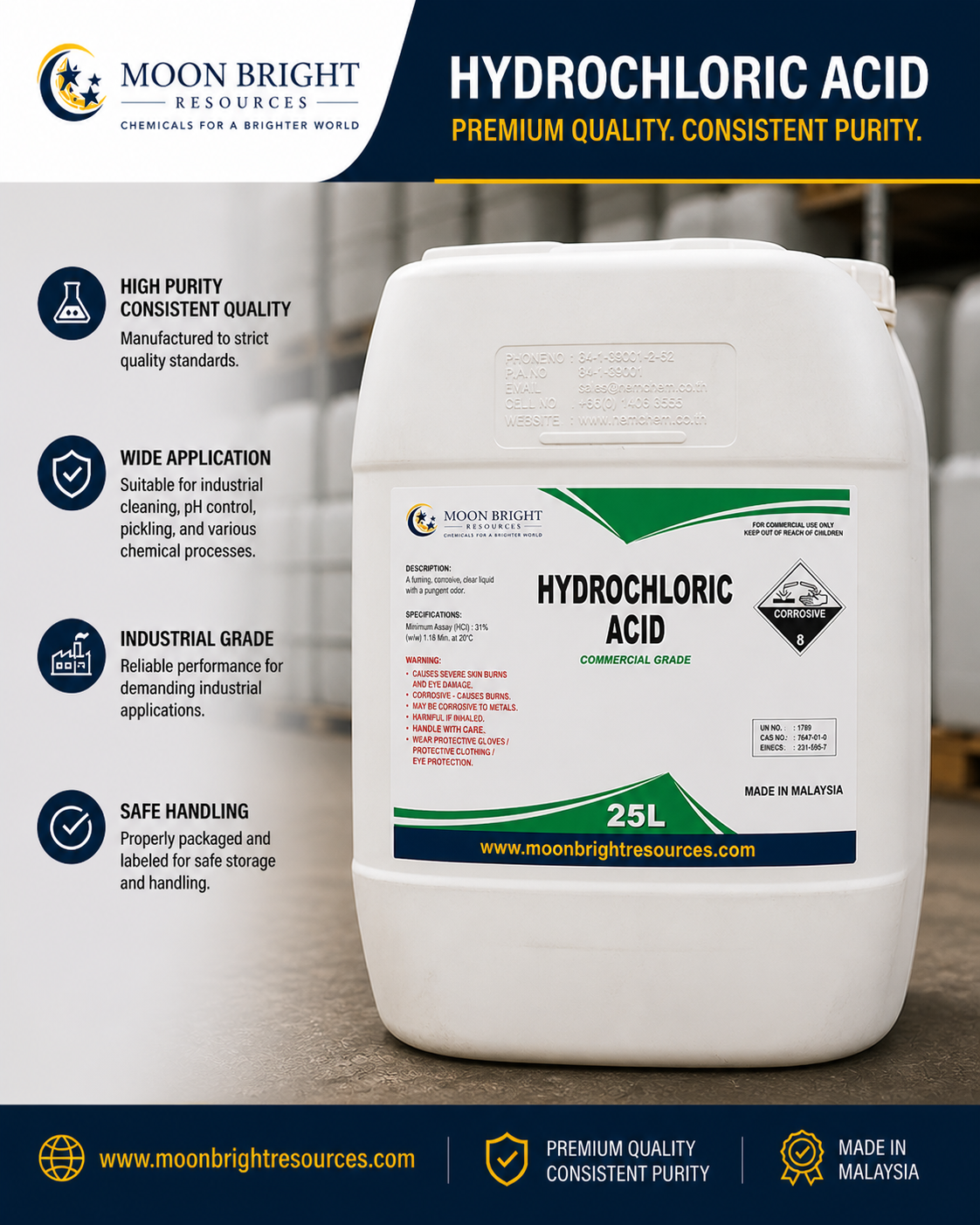
Here's a summary of influencing factors:
- Raw Material Cost
- Power Costs
- Transportation Costs
- Sales Request
Understanding Hydrochloric Acid Bulk Pricing Strategies
Navigating the challenging landscape of hydrochloric acid bulk pricing is a keen understanding of several elements. The value of large-volume hydrochloric acquisitions isn't just a single number; it varies based on availability, usage, transportation charges, and purity specifications. Usually, suppliers offer graduated pricing structures, so significant amounts unlock decreased unit prices. Additionally, contract agreements generally secure better rates compared to one-time buys. Consider too the impact of currency rates and any applicable fees when assessing quotes from multiple vendors.
Here’s a brief look at key considerations:
- Volume Reductions: Substantial shipment sizes usually qualify for considerable price lowering.
- Contract Deals: Long-term contracts often provide more value stability.
- Transportation Expenses: Delivery rates may substantially impact the final price.
- Grade Standards: Higher quality hydrochloric HCl commands a premium cost.
Finding Regarding Buy Hydrochloric Acid Bulk : Trusted Vendors & Expenses
Securing muriatic acid in large amounts requires thorough evaluation of distributors. Several manufacturing companies offer the product , but identifying a reputable supplier is vital. Frequent options include large-scale chemical distributors , custom chemical companies , and sometimes producer deals. Prices fluctuate significantly based on amount ordered , grade , shipping area, and market conditions . Anticipate costs to be from approximately $ $0.70 to $ $3.00 a gallon for industrial purity, with larger quantities allowing for size savings. Always request bids from various suppliers to compare costs and guarantee favorable terms .
Acid Price Fluctuations: What Influencing the Market ?
Recent shifts in muriatic acid costs have prompted significant discussion across various applications. Several elements are presently driving these movements . Basic costs, particularly connected with Cl2 and hydrogen , have seen substantial increases , immediately influencing HCl manufacturing expenditures. Furthermore, logistical disruptions , stemming from worldwide situations and regional limitations , are compounding the situation . Finally, fluctuations in requirement from important utilizing sectors like purification and chemistry production play a vital part in shaping the overall sector condition.
- Input expenses
- Distribution interruptions
- Demand from utilizing sectors